Introduction
A new year can feel like a clean notebook. The first page is bright, full of hope, and a little scary. That is exactly how starting with Start 2026 Strong: Your Personalized Strength Plan For Beginners often feels for someone who has not lifted regularly before.
Many beginners tell us the same things, and recent research on people’s fitness habits and motivations in 2026 confirms these common concerns are widespread. They feel lost in conflicting advice from endless social feeds and random workout apps. They worry about injury, about looking out of place in the gym, and about finding time between work, family, and everything else. Under all of that sits one simple question that matters most to us at Ideal Strength: how do I build a plan that actually fits my real life?
We built Ideal Strength around a different idea. Effective training is not about copying a fit influencer or grabbing a generic template. It is about a plan built around your body, schedule, goals, and starting point. When those pieces line up, strength training stops feeling confusing and starts feeling clear, repeatable, and even enjoyable.
In this article, we will walk through that clear path together. You will learn how to:
Set goals that mean something.
Use six movement patterns to cover almost every useful exercise.
Build a simple three‑phase, twelve‑week structure.
Choose weights, manage recovery, and keep going when motivation dips.
Along the way, you will see how we at Ideal Strength use technology, coaching, and community to make this process personal and sustainable so you can start 2026 strong and stay strong.
Key Takeaways
Personal fitness planning starts with clear goals that fit real life. When training lines up with your schedule and energy, it feels possible instead of heavy, which makes it easier to show up week after week.
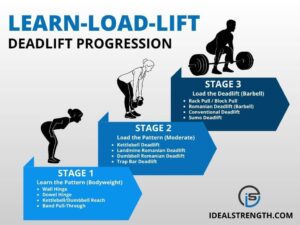
Mastering six basic movement patterns covers your whole body. Squats, hinges, pushes, pulls, carries, and single leg work give you nearly everything you need. Fancy exercises become optional, not required.
Small, steady increases drive progress. This idea, called progressive overload, means adding a little weight, a few reps, or one more set over time. Tiny steps add up to big changes across months.
Recovery, sleep, and nutrition matter as much as lifting. Muscles grow when resting, not while holding the weights. Good food, enough water, and regular sleep let your body respond to the work.
Consistency beats extreme effort. Two or three realistic sessions each week beat one heroic workout followed by five days off. A good plan works on your worst week, not just your best.
Ideal Strength ties everything together. Personal assessments, custom programming, app‑based tracking, and coaching support mean you are not guessing about what to do in 2026.
“Resistance training is medicine.”
— American College of Sports Medicine
Why Personalization Matters For Your Starting Point
Most people who struggle with strength training are not lazy. They struggle because they try to force a one‑size‑fits‑all plan onto a body and life that are anything but standard. A random plan from the internet cannot know if your knees ache after long days, if you sit at a desk for ten hours, or if you only have thirty minutes before the kids wake up.
Biomechanics, injury history, and daily movement patterns vary from person to person. For example:
Some people have long legs and shorter torsos, which changes how their squats should look.
Others have tight ankles, sensitive shoulders, or a lower stress tolerance that limits how much heavy work they can handle each week.
When a plan ignores these details, it may feel hard for the wrong reasons and easy for the wrong reasons, which wastes time and can raise injury risk.
At Ideal Strength, we start in a different place. We use a thorough assessment that looks at:
How you move through basic patterns.
How you feel during simple tests.
What your schedule looks like in early 2026.
How you sleep and manage stress.
Your training history and any past injuries.
Your main goals and what matters most in daily life.
From there, we build training around you:
Exercise choices match your current movement ability.
Volume and intensity match your recovery capacity, not someone else’s.
Session length and weekly frequency match your calendar, so you are not trying to live up to a plan written for a full‑time athlete.
There is also a mental benefit. When people know their plan was designed for them, confidence rises. Instead of wondering whether a workout is “right,” they can focus on showing up and doing the work. That mental clarity is one of the quiet strengths of personalization and a major reason we built Ideal Strength this way.
Setting Your 2026 Strength Goals The Smart Way

Vague resolutions such as “get fit” or “tone up” sound good, but they do not tell you what to do on Monday morning. Clear strength goals act like a map, turning vague hope into specific actions you can put on a calendar.
For beginners, we like a simple version of the SMART goal idea:
Specific: “Train three days each week” instead of “work out more.”
Measurable: “Do ten incline pushups” or “hold a 45‑second plank.”
Realistic: Fits your current strength and schedule.
Meaningful: Connects to what you care about—playing with your kids, feeling steady on stairs, or lifting with confidence at a meet later in the year.
Time‑Bound: Often a twelve‑week window for a first block.
Process goals sit at the center of this. These are goals you control directly, such as:
Completing three strength sessions per week.
Hitting a daily step target.
Logging workouts in the Ideal Strength app.
Outcome goals—like losing a certain number of pounds or seeing more muscle definition—do matter, but they depend on many factors. Focusing on process keeps your attention on daily actions you can actually choose.
Some beginner‑friendly examples we often use with clients early in 2026 are:
Commit to two or three 30‑minute strength sessions each week.
Increase daily movement by about 15–20%, often through walking.
Build up to ten controlled incline pushups or a 45‑second plank.
Complete a full‑body workout and feel pleasantly tired, not wiped out, the next day.
“You do not rise to the level of your goals. You fall to the level of your systems.”
— James Clear
Inside Ideal Strength coaching , we help refine these goals and track them over time. Our app records sets, reps, and loads, while regular check‑ins connect the numbers to how you feel in daily life. Goals then evolve. What you aim for in your first month will look very different from what excites you after twelve weeks, which is a strong sign of real progress.
The Six Foundational Movement Patterns Every Beginner Needs
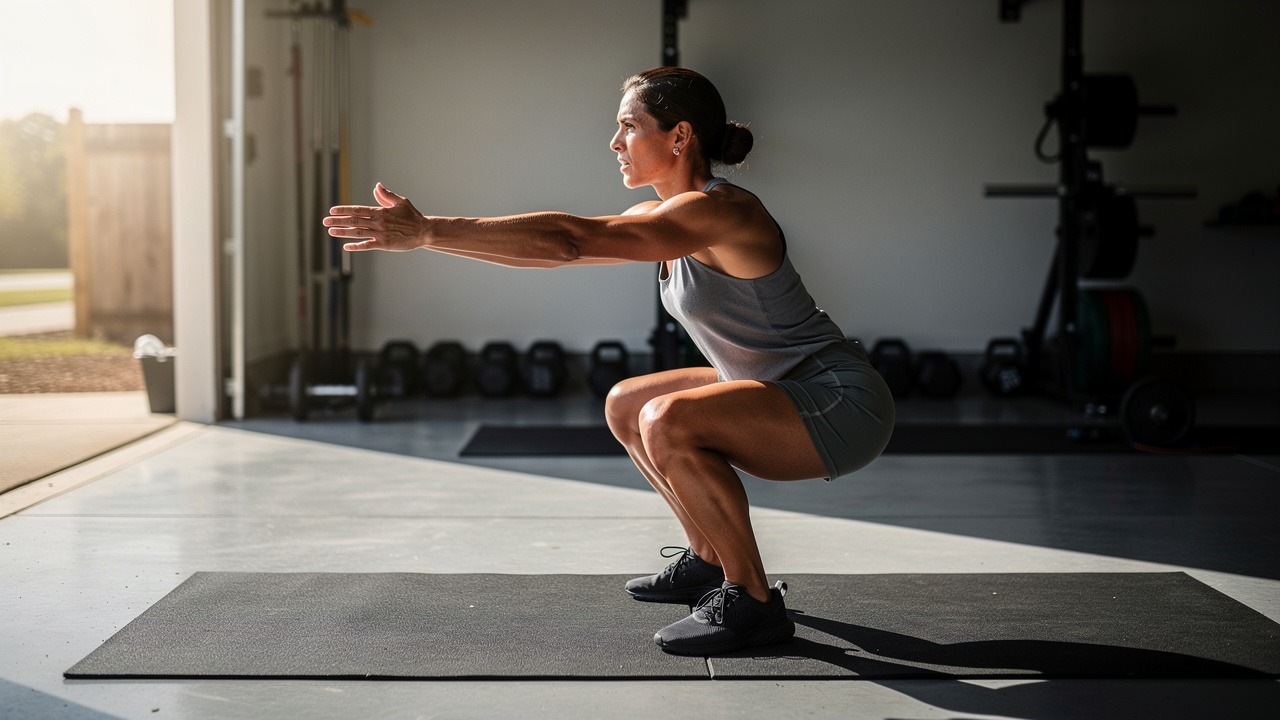
Instead of thinking in terms of random exercises, it helps to think in terms of movement patterns. Nearly every useful strength exercise falls into one of six buckets. When your weekly plan includes each of these, you:
Cover all major muscle groups.
Build strength that carries into daily life.
Lower the risk of overworking one area while neglecting another.
Squat And Lunge Movements
Squat and lunge movements involve bending at the knees and hips while keeping the chest proud and the feet planted. They mainly work the quadriceps, glutes, hamstrings, and core.
Beginner‑friendly options include:
Bodyweight squats
Goblet squats with a dumbbell at the chest
Split squats with bodyweight or light weights
You use this pattern any time you stand from a chair, climb stairs, or lower yourself to pick something up from a low surface.
Hinge Movements
Hinge movements center on bending at the hips with a neutral spine and only slight knee bend. They train the back side of your body, especially the glutes, hamstrings, and lower back.
Good starting options:
Glute bridges on the floor
Romanian deadlifts with light dumbbells
Gentle kettlebell hinges once technique is solid
You use a hinge every time you lift something from the ground, lean to tie your shoes, or try to keep a healthy standing posture.
Upper‑Body Push And Pull Movements
Upper‑body push movements ask you to press weight away from your body, either forward or overhead. They work the chest, shoulders, and triceps. Common beginner versions:
Incline pushups
Dumbbell chest presses on a bench
Seated overhead presses
Upper‑body pull movements bring weight toward your body and train the back, biceps, and rear shoulders. Good options include:
Seated cable rows
Lat pulldowns
One‑arm dumbbell rows
Keeping a balance between pushing and pulling—often with equal or slightly more pulling—helps protect your shoulders and supports better posture for sitting and standing tasks.
Carry And Core Movements
Loaded carries, such as a farmer’s walk with dumbbells in each hand, are simple on paper yet demanding in practice. They build grip strength, train the core to resist tipping or twisting, and challenge the legs and upper back all at once.
Core work includes all muscles that help keep your spine stable. Helpful patterns:
Stability moves (planks, dead bugs) that teach your midsection to brace.
Controlled dynamic moves (slow crunches, leg lowers) that add movement.
Carry and core strength show up whenever you haul groceries, keep your balance on uneven ground, or protect your lower back.
“Strong people are harder to kill and more useful in general.”
— Mark Rippetoe
Building Your Personalized 12‑Week Beginner Strength Plan
A good beginner strength plan gives enough structure to guide you while still leaving room to adjust. We like a twelve‑week framework split into three four‑week phases, each building on the last. Inside Ideal Strength, this is a base we adjust for your assessment, schedule, and recovery.
Phase 1: Weeks 1–4 Foundation And Habit Formation
Phase one is about learning the basics and turning training into a regular part of the week.
Most beginners do well with:
2–3 full‑body sessions on non‑consecutive days
One squat or lunge, one hinge, one push, one pull, one carry, and core work each session
Light loads, slow and controlled tempos, and full ranges of motion
You may feel delayed soreness as muscles react to new stress, but that eases as your body adapts. Our coaching here focuses on technique cues, movement education, and confidence, so the gym starts to feel like your space.
Phase 2: Weeks 5–8 Progressive Overload And Intensity Building
Phase two gently raises the challenge while protecting form. Depending on your schedule and recovery, we may:
Add an additional training day (from 2 to 3, or 3 to 4-day training schedule)
Shift from full‑body days to an upper/lower split (on a 4-day schedule) or a simple lower-upper‑full rotation.
Add 2.5–5 pounds to certain lifts.
Add 1–2 reps per set or an extra set on main movements.
Shorten rest a little on familiar exercises.
In week eight, we often use a lighter “deload” week where load or volume drop by around 30% so your body can fully recharge. Clients usually notice clear strength gains and smoother technique by the end of this phase.
Phase 3: Weeks 9–12 Refinement And Performance Testing
Phase three focuses on refining your strongest patterns and checking how far you have come. After the lighter week, we return to moderate and higher‑effort sessions with better form and confidence.
Common additions:
Accessory work for weaker areas (extra hamstring work, more rowing variations).
Simple advanced touches like slow lowering phases or brief pauses at the hardest part of a lift.
Small tests in week eleven and twelve: a safe heavier three-rep set, a max set of pushups, or a timed carry.
Week twelve also emphasizes review: looking at training logs inside the Ideal Strength app and deciding what your next focus is going to be to continue your progress in 2026.
Understanding Weight Selection, Sets, Reps, And Progressive Overload
The details of sets, reps, and weight choices can feel like another language at first. Once you understand the basics, they become simple tools you can adjust with confidence.
Choosing the right weight
Use the “two‑rep rule”:
Pick a load where the last two or three reps feel hard but still look clean.
If you could easily do five more reps, the weight is likely too light.
If you cannot complete the set with decent form, it is too heavy.
Many beginners also like using effort from 1–10 (often called RPE), aiming for about a 6 or 7 once technique feels safe.
Sets, reps, and rest
A repetition (rep) is one full movement.
A set is a group of reps before resting.
For most beginners, 2–4 sets of 8–15 reps per exercise work well.
Lower reps + heavier weights lean more toward strength.
Higher reps + lighter weights build more endurance.
Rest matters:
Big compound lifts (squats, deadlifts, presses): 2–3 minutes between sets.
Smaller accessory work (curls, lateral raises): 60–90 seconds.
Progressive overload
Progressive overload means your body needs slightly more challenge over time to keep adapting. You can:
Add a bit of weight.
Do 1–2 extra reps.
Add a set.
Shorten rest slightly.
Slow the lowering phase to make the same weight harder.
None of these increases need to be large. Steady, small changes across many weeks beat big jumps that are hard to sustain. Inside Ideal Strength, our coaches use your logged sessions and recovery feedback to suggest when and how to progress so you are always nudging forward instead of guessing.
Recovery, Nutrition, And Lifestyle As The Foundation For Strength Gains

Lifting weights creates the signal for change, but your body responds when resting, eating, and sleeping. When training, recovery, and lifestyle habits line up, strength tends to move forward in a steady, almost quiet way.
Rest and active recovery
Every strength session creates small amounts of stress in muscles and connective tissue. With enough rest, the body repairs that tissue and builds it back slightly stronger. This is why we recommend:
At least one full rest day between strength sessions (for many, a Monday‑Wednesday‑Friday pattern works well).
Light movement on rest days—walking, gentle yoga, or easy cycling—to reduce stiffness and support blood flow.
Mild soreness 1–2 days after a new workout (delayed onset muscle soreness) is normal and fades faster as your body gets used to regular training.
Sleep
Sleep is one of the strongest recovery tools you have. Aim for 7–9 hours of quality sleep most nights in 2026. Helpful habits include:
Dimming lights before bed.
Keeping devices away from your pillow.
Having a simple wind‑down routine.
Nutrition and hydration
Food is the building material for every strength gain. No training plan can make up for long‑term under‑eating or low‑quality intake. For most people, useful starting points are:
Protein: Around 0.7–1.0 grams per pound of body weight per day, spread across meals.
Carbohydrates: Enough to fuel training and daily life—cutting them extremely low often makes workouts feel flat.
Fats: Include healthy fats (olive oil, nuts, avocado, eggs, fatty fish) for hormones and long‑term health.
Water: A simple guide is about half your body weight in ounces per day, adjusting for heat and activity.
Stress and support
Lifestyle factors such as stress and social support tie everything together. High, constant stress can interfere with recovery and sleep, so simple practices like walking breaks, breathing drills, or relaxing hobbies matter more than they appear.
At Ideal Strength, we fold these pieces into coaching by:
Setting realistic nutrition targets instead of strict meal charts.
Including quick recovery and movement sessions throughout your day. Even 3 minutes can make a difference.
Helping you plan training around real‑life demands.
“You don’t grow in the gym; you grow when you recover from the gym.”
— Old coaching saying
Our community and coaching check‑ins also mean you do not have to figure it all out alone, which makes long‑term consistency far easier.
How Ideal Strength’s Personalized Approach Accelerates Your Progress
When people think about starting strength work in 2026, they often feel stuck between endless free programs and high‑priced one‑on‑one training. The hard part is not finding information. The hard part is knowing which information fits you. That is the gap we built Ideal Strength to close.
We begin with a detailed intake and assessment that covers:
Basic movement screens and simple strength tests.
Injury or pain history.
How you move in squats, lunges, hinges, pushes, and pulls.
Your weekly routine, sleep habits, and work demands.
What kind of training you have enjoyed or disliked before.
Your deeper reasons for wanting more strength—health, sport, confidence, or family life.
Using this picture, we design training that matches your body, not an average person in a study. For example:
Someone with tight ankles may start with heels elevated goblet squats and supported split squats instead of barbell back squats.
A client with sensitive shoulders might focus on horizontal presses and rowing work while overhead patterns are adjusted.
Busy parents do not get the same weekly layout as young athletes.
Nutrition and lifestyle plans follow the same pattern. Rather than handing you a rigid menu, we work within your current food preferences, work breaks, and cooking skill. We set:
Clear but flexible protein and hydration targets.
Simple snack ideas and approaches for eating out.
Habits that fit your day instead of fighting it.
All of this lives inside the Ideal Strength app, where you can:
View workouts and technique notes.
Track sets, reps, and loads.
Log meals or habits.
Message your coach when questions come up.
Coaching support is available at several levels, from app‑based programming with light check‑ins to higher‑touch guidance with video form reviews and more frequent calls for remote clients and in-person training for those local to our gym Ideal Strength & Performance in Bellevue, WA. In every case, the goal is the same: to help you understand what you are doing and why, instead of just following orders. Over time, this builds real training skill and confidence, so you feel in control of your strength path well beyond 2026.
Finally, Ideal Strength brings a supportive community into the mix. Clients share wins, challenges, and tips inside our group spaces, which often makes the difference on hard weeks. With assessment, custom programming, tech support, coaching, and community working together, you move faster and safer than you ever could by guessing alone.
Conclusion
Starting strength training at the beginning of a new year can feel like standing at the base of a long hill. From the outside, it may seem like everyone who is already strong was always that way. The truth is that every lifter who looks confident now once stood where you stand, unsure where to begin.
Success is not about finding a magic perfect program. It is about finding a plan that fits who you are, where you are starting, and what you want from 2026, then showing up for that plan again and again. We have talked about setting meaningful goals, training six key movement patterns, building a simple three‑phase twelve‑week structure, and using progressive overload, sleep, food, and stress skills to support progress. You have also seen how Ideal Strength weaves assessment, coaching, app technology, and community into one clear path.
There will be weeks when life gets messy, workouts feel heavy, or progress seems slow. That does not mean you are failing. It means you are human. What matters is coming back to the plan, adjusting when needed, and taking the next small step.
If you are ready to make 2026 the year you build real strength, do not get stuck in endless research. Our team at Ideal Strength can build a personalized beginner plan, guide your technique, and support you through every phase. You are not just building muscle when you train this way—you are building confidence, resilience, and a body that will keep serving you well for many years.
FAQs
Question 1: How Many Times Per Week Should I Strength Train As A Complete Beginner?
For most beginners, two or three strength sessions each week on non‑consecutive days work very well. This schedule gives muscles and joints time to recover while still building a steady habit. As your technique and recovery improve, we may move you up to three or four sessions. In our Ideal Strength programs, we match weekly frequency to your schedule and how your body responds instead of forcing a one‑size plan.
Question 2: Will Strength Training Make Me Bulky?
This fear is common, especially among women, but it does not match how muscle gain actually works. Building large amounts of muscle usually needs years of focused high‑volume training, plenty of food, and very heavy loads. Beginner strength work with moderate weights and smart nutrition tends to create a leaner, firmer look by adding muscle and often lowering body fat. You stay in control of your shape through how you train and eat. At Ideal Strength, we design programs that line up with your personal aesthetic goals—more muscle, more definition, or simply better health and strength.
Question 3: What If I Am Too Sore To Work Out?
Mild to moderate soreness in the first couple of weeks is normal, especially when muscles are learning new movements. This soreness feels like general tenderness and stiffness, and it usually peaks one to two days after a workout. Gentle movement such as walking, light cycling, or easy stretching often helps more than complete rest.
However, sharp or sudden pain, strong joint discomfort, or deep fatigue are different signs. In those cases, rest and, if needed, a conversation with a professional are wise. The good news is that as you stay consistent, this type of soreness usually drops a lot within the first two or three weeks.
Question 4: Do I Need A Gym Membership Or Can I Train At Home?
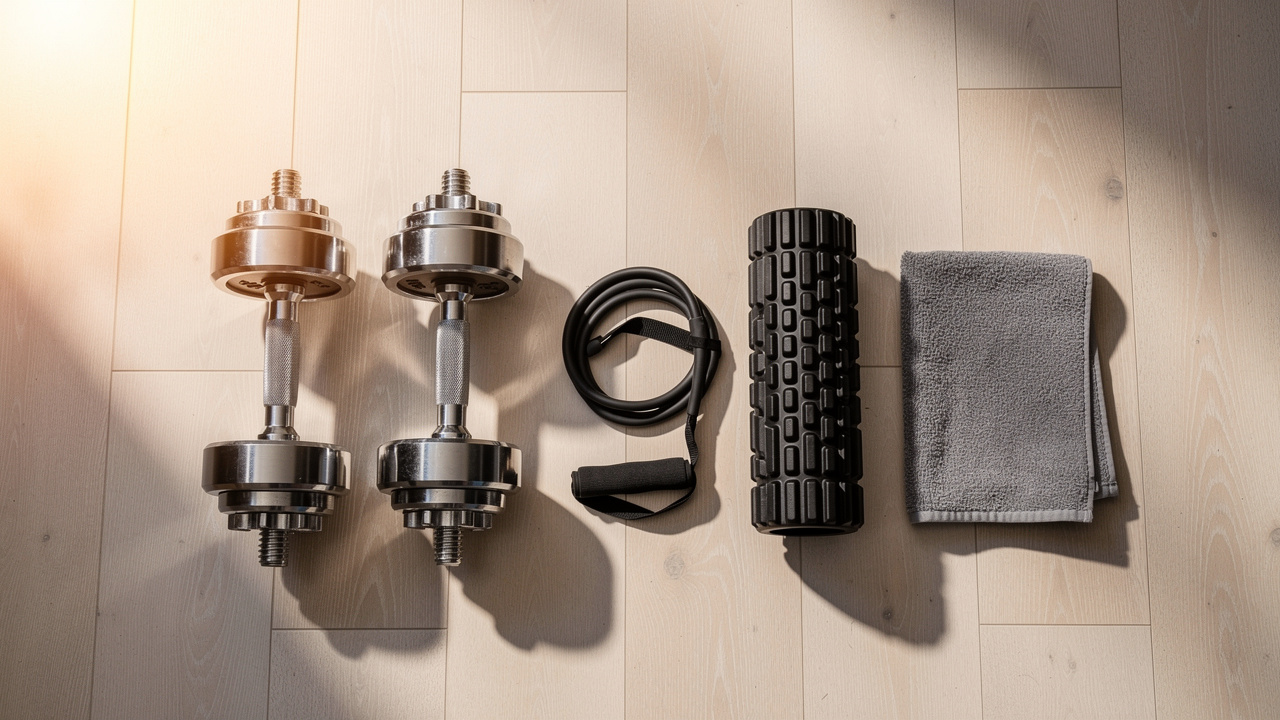
You can build plenty of strength in a gym or at home, and both paths can work. At home, a small setup with adjustable dumbbells, a few resistance bands, and maybe a kettlebell can cover all six movement patterns. A gym gives access to more machines, heavier weights, and sometimes a built‑in sense of structure and community.
Inside Ideal Strength, we design your plan around the space and equipment you actually have, not what a textbook assumes. What matters most is picking the setting where you are most likely to train regularly.
Question 5: How Long Until I See Results From Strength Training?
Most people notice early gains in strength and control within two to four weeks, even if the mirror does not change much yet. These first improvements come from your nervous system learning to use your existing muscle more efficiently.
Visible changes in muscle shape and body composition often show up around six to eight weeks when training and nutrition are both in place. Many clients also report better energy, mood, and sleep within the first few weeks, which are important results as well. We encourage everyone who starts with Ideal Strength to commit to at least twelve weeks, since that is when deeper, more lasting changes usually become clear.